Understanding General Liability Insurance and How to Prevent Claims

Running a condominium or homeowners association (HOA) comes with many responsibilities — maintaining common areas, managing budgets, and ensuring the safety and well-being of residents and visitors. One of the most important ways to protect the association is by maintaining General Liability Insurance, which provides essential coverage in the event of accidents, injuries, or property damage that occur on the premises.
However, while insurance is there to protect against unforeseen events, the best approach is to prevent claims before they happen. Here’s a breakdown of what General Liability Insurance covers and practical steps your association can take to minimize risks and keep premiums manageable.

What General Liability Insurance Covers
General Liability Insurance provides protection for the association in the event of:

  • Bodily injury claims – such as a resident, guest, or vendor slipping and falling on association property.
  • Property damage claims – for example, if association work or maintenance activities accidentally damage a homeowner’s property.
  • Personal and advertising injury – including libel, slander, or false advertising claims related to association operations.
  • Legal defense costs – even if a claim is unfounded, the policy typically helps cover the cost of legal representation and court fees.

This coverage is vital, as lawsuits and settlements can be costly and have lasting financial effects on the association and its members.


Common Liability Risks for Associations
Many claims arise from preventable situations. Some of the most common risks include:

  • Slip, trip, and fall accidents in parking lots, hallways, or pool areas.
  • Inadequate maintenance of walkways, stairways, lighting, or landscaping.
  • Negligent supervision or improper use of amenities such as pools, gyms, or playgrounds.
  • Contractor or vendor incidents when third parties are working on association property.
  • Poor recordkeeping or failure to document incidents or maintenance.

How to Prevent Liability Claims

While insurance is a safety net, prevention is the most effective risk management strategy. Associations should adopt a proactive approach through regular inspections, policy enforcement, and communication with residents.

  1. Maintain Common Areas Regularly
  • Conduct routine inspections of sidewalks, driveways, parking lots, and stairs to identify cracks, uneven surfaces, or debris.
  • Ensure all lighting in hallways, stairwells, and outdoor areas is functional.
  • Keep landscaping trimmed to maintain clear visibility and safe access.
  1. Establish and Enforce Safety Policies
  • Implement clear pool and gym rules, including supervision requirements and posted safety signage.
  • Require residents and guests to follow guidelines for pet control, parking, and use of common facilities.
  • Have written procedures for emergency response and accident reporting.
  1. Manage Vendors Carefully
  • Require certificates of insurance from all contractors before they start work.
  • Ensure vendors list the association as an additional insured on their policies.
  • Use written contracts outlining each party’s responsibilities and hold harmless agreements.
  1. Document Everything
  • Keep detailed maintenance logs, inspection reports, and incident records.
  • Encourage residents to report hazards or issues immediately.
  • Promptly address any repairs to minimize the chance of an injury or property damage.
  1. Educate Board Members and Residents
  • Offer periodic training for board members on risk management and insurance requirements.
  • Communicate regularly with residents about safety policies and updates to community rules.
  • Reinforce the importance of personal responsibility within shared spaces.

General Liability Insurance is a cornerstone of a well-managed condominium or homeowners association’s protection plan. But the most successful associations pair strong coverage with proactive risk prevention. Through regular maintenance, careful documentation, and ongoing education, you can help reduce the likelihood of accidents and claims—protecting both your residents and your financial stability.
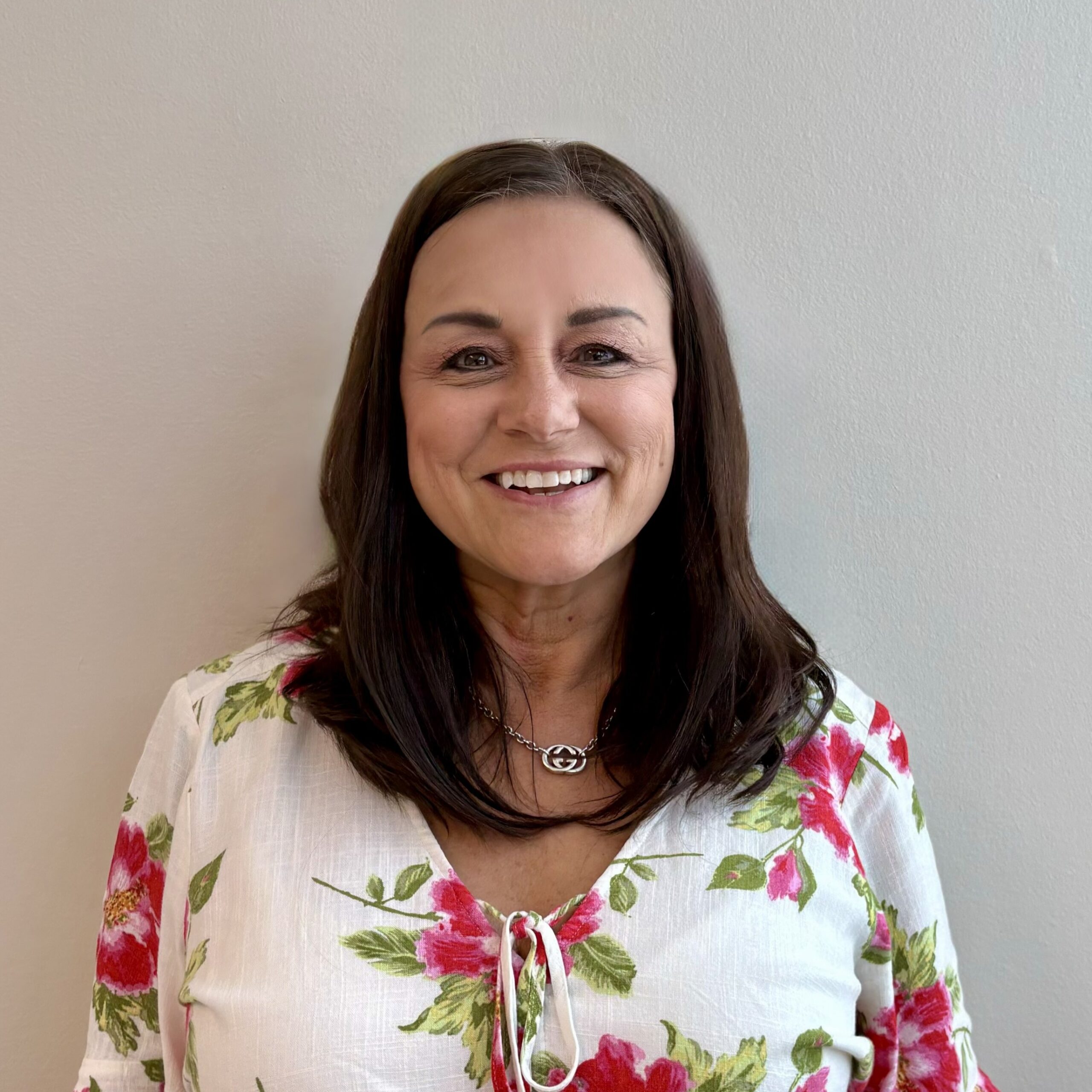
Meet the Author

Rhonda Rutledge

Rhonda is a licensed 2-20 Agent with more than 27 years of diverse insurance experience, including roles as an APD Claims Adjuster, Total Loss Adjuster, Premium Auditor and Risk control.  In her current position at Travers Hartnett, she serves as an Account Manager and Claims Handler. Rhonda is dedicated to helping clients understand their insurance policies and ensuring they have the coverage that best meets their needs.

CondoExec is a newsletter powered by Travers Hartnett Insurance Agency, created to bring valuable insights and practical information to HOA and COA board members, community presidents, and property managers.

Subscribe

Sign up for the CondoExec Newsletter.

* indicates required

Intuit Mailchimp

© 2026 CONDOEXEC All Rights Reserved. Web Development by IWD Marketing