

Property Insurance is one of the most critical components of a condominium or homeowners association’s insurance program. While General Liability protects against injury claims, Property Insurance protects the association’s physical assets — the buildings, common elements, and shared structures that represent the community’s largest financial investment.
Because property claims can be extremely costly and disruptive, prevention and proper maintenance are essential to keeping premiums stable and protecting reserve funds.
What Property Insurance Covers
Property Insurance typically provides coverage for:
Depending on the governing documents, condominium associations may insure buildings on a “bare walls,” “original specifications,” or “all-in” basis, which determines how much of each unit is insured by the association versus the unit owner. Understanding this distinction is critical to avoiding coverage gaps.
Common Property Risks for Associations
Many property claims stem from maintenance-related issues rather than sudden catastrophic events. Common risks include:
In Florida especially, water and wind claims tend to drive premium increases and underwriting scrutiny.
How to Prevent Property Claims
While catastrophic weather cannot be avoided, many losses can be minimized through proactive planning and maintenance.
Why Prevention Matters
Frequent property claims can lead to increased premiums, higher deductibles, coverage restrictions, non-renewal by carriers, and difficulty placing coverage in the marketplace.
Insurance carriers closely evaluate loss history. Associations that demonstrate proactive risk management are viewed more favorably.
Property Insurance protects the association’s most valuable assets — its buildings and shared infrastructure. But insurance is only one piece of the protection strategy. The most successful communities combine proper coverage with disciplined maintenance, accurate valuations, and strong documentation practices.
By taking a proactive approach, boards can reduce claim frequency, control long-term insurance costs, and safeguard the financial health of the association and its members.
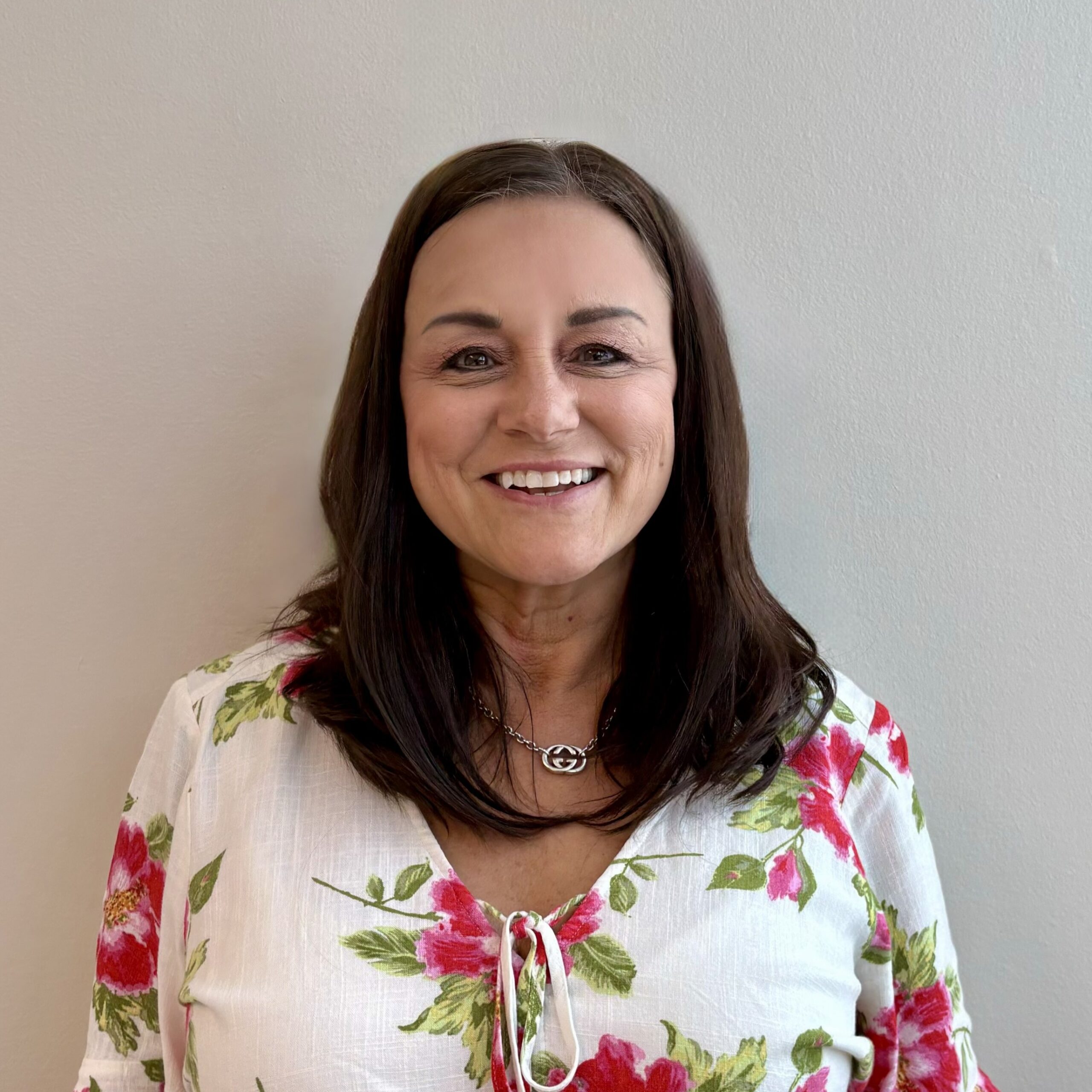
Rhonda is a licensed 2-20 Agent with more than 27 years of diverse insurance experience, including roles as an APD Claims Adjuster, Total Loss Adjuster, Premium Auditor and Risk control. In her current position at Travers Hartnett, she serves as an Account Manager and Claims Handler. Rhonda is dedicated to helping clients understand their insurance policies and ensuring they have the coverage that best meets their needs.
CondoExec is a newsletter powered by Travers Hartnett Insurance Agency, created to bring valuable insights and practical information to HOA and COA board members, community presidents, and property managers.
© 2026 CONDOEXEC All Rights Reserved. Web Development by IWD Marketing