

A flash of lightning may last only a fraction of a second, but the damage it leaves behind can take much longer to discover. For condominium and homeowners associations, lightning damage isn’t always obvious. A strike or related electrical surge can affect HVAC equipment, pool pumps, gates, elevators, security cameras, fire alarm systems and other community infrastructure. Some equipment may fail immediately, while other problems may not appear until later. Knowing what to look for—and how to document a suspected loss—can help an association navigate the claims process.
Lightning does not have to strike a particular piece of equipment directly to cause damage. It can enter a structure through wires, pipes or the ground and travel through electrical and communication systems. A nearby strike may also create an electrical surge capable of damaging sensitive equipment. For an association, one storm may affect several systems across a property.
Examples of equipment that may be affected: HVAC systems and controls, elevators, pool pumps, gate operators and access-control systems, security cameras, fire alarm systems, electrical panels, community lighting, irrigation controls, pumps and motors, clubhouse equipment, and computers or networking equipment. The first item that stops working may not represent the full extent of the damage.
A lightning-related loss does not necessarily require a direct strike to the exact equipment that failed. However, an equipment failure after a storm does not automatically establish lightning as the cause. For example, a gate system, cameras and clubhouse HVAC may all be malfunctioning the morning after a thunderstorm. A qualified technician may need to inspect each system to determine what likely happened.
Lightning is a commonly insured property peril, but associations should not assume that every loss occurring during a thunderstorm is automatically covered. Coverage depends on the association’s specific policy, including the causes-of-loss form, exclusions, deductibles, endorsements, limits and the facts surrounding the event. The policy language and claim circumstances—not timing alone—determine how a loss is evaluated.
A pool pump or HVAC system that stops working after a storm may have lightning-related damage, but other causes—such as mechanical failure, wear and tear or a pre-existing problem—may also be possible. A qualified electrician, contractor or equipment technician may be able to identify evidence of the cause and document the findings.
Useful documentation may include photographs of physical damage, inspection and diagnostic reports, repair estimates, details about damaged components, electrical testing, when the problem was discovered, and a list of other equipment affected by the same event. Florida’s Department of Financial Services provides a Statement – Lightning Losses form that requests information about the loss date, damaged equipment, physical evidence, photographs, lightning-protection equipment and professional findings. Requirements may vary by insurer and policy.
A few practical steps can help preserve useful information and support the claim evaluation:
• Prioritize safety. Have qualified professionals inspect potentially damaged electrical systems and equipment.
• Record the event. Note the date and approximate time of the storm, when problems were discovered, and which systems may be affected.
• Photograph damage. Capture visible damage, equipment and relevant electrical components.
• Obtain professional findings. Ask appropriate contractors or technicians to document what they inspected and, when possible, the likely cause.
• Keep records and components. Retain estimates, invoices and diagnostic reports. Preserve damaged parts when practical until the insurer or adjuster can evaluate them, unless safety requires otherwise.
• Report promptly. Contact your insurance agent or carrier to discuss claim reporting requirements and next steps.
For condominiums, the association’s master policy and an individual unit owner’s HO-6 policy may address different property. Florida Statute §718.111 addresses condominium association insurance responsibilities and certain property that may be the unit owner’s responsibility. If lightning affects a building electrical system and also damages electronics inside individual units, the policies may apply to different portions of the loss. The answer depends on the circumstances, governing documents, applicable law and policy language.
Associations can discuss lightning protection systems, surge protective devices, proper grounding and routine electrical maintenance with qualified contractors. These measures may reduce certain risks, but they do not guarantee that a building or equipment will be protected from all lightning damage. Surge protection alone is not a guarantee against a direct lightning strike.
A single lightning event can affect multiple systems, and some damage may not be immediately visible. Document the event, identify all potentially affected equipment, photograph damage, obtain professional evaluations when appropriate, keep records and contact your insurance professional promptly. Do not assume an equipment failure is automatically a lightning loss—or that it is not. The cause and available coverage depend on the circumstances and the association’s policy.
Insurance coverage varies by policy and circumstances. This article is for general informational purposes only and is not a determination of coverage or a substitute for reviewing the association’s policy, governing documents or applicable law.
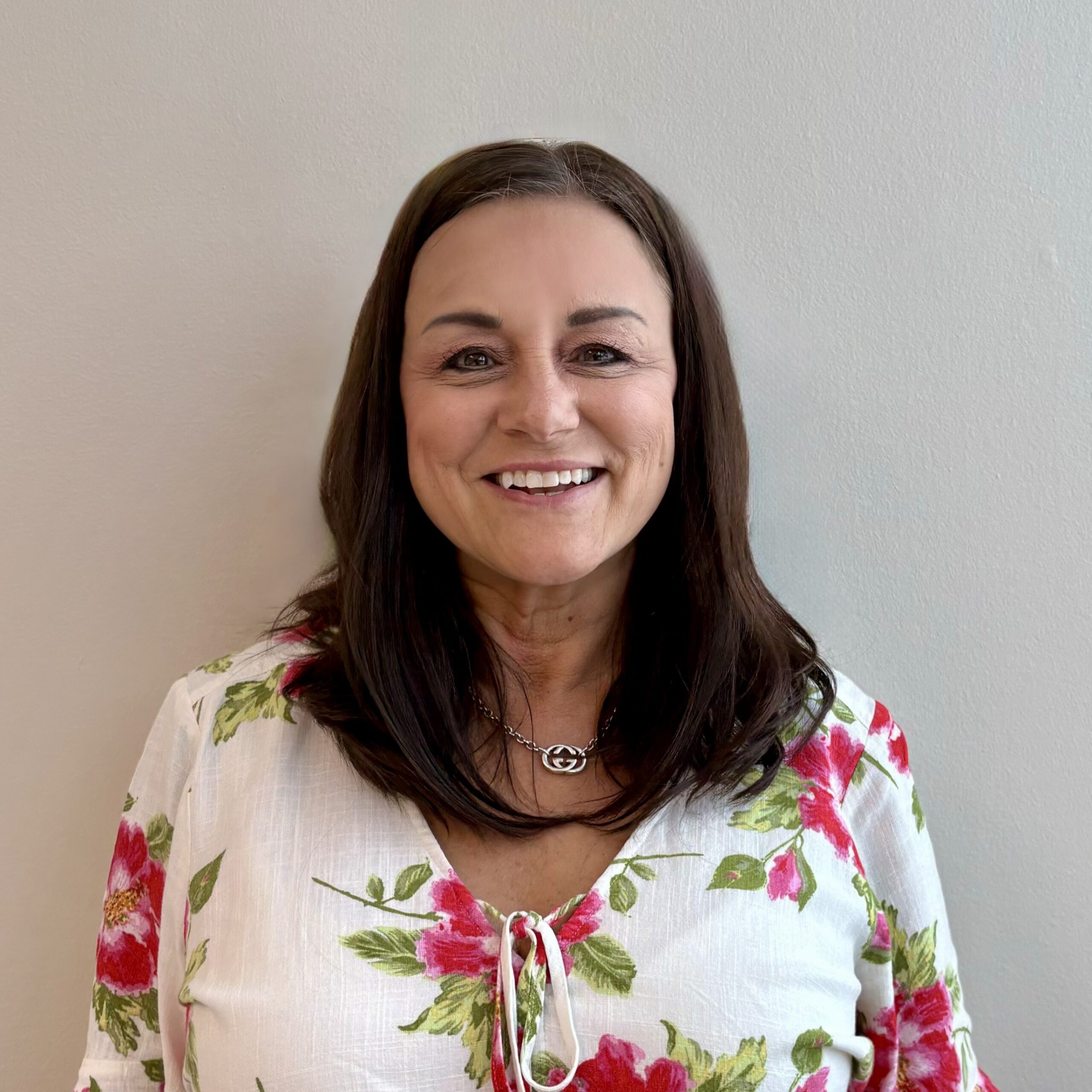
Rhonda is a licensed 2-20 Agent with more than 27 years of diverse insurance experience, including roles as an APD Claims Adjuster, Total Loss Adjuster, Premium Auditor and Risk control. In her current position at Travers Hartnett, she serves as an Account Manager and Claims Handler. Rhonda is dedicated to helping clients understand their insurance policies and ensuring they have the coverage that best meets their needs.
CondoExec is a newsletter powered by Travers Hartnett Insurance Agency, created to bring valuable insights and practical information to HOA and COA board members, community presidents, and property managers.
© 2026 CONDOEXEC All Rights Reserved. Web Development by IWD Marketing